
This post is for the venues that sit higher on the price ladder — or want to get there without sounding like every other “luxury” listing online. The couples and planners who book high-end spaces are looking for proof that the experience matches the price, and most venue marketing never gives it to them. Below are some tips on how to show up online.
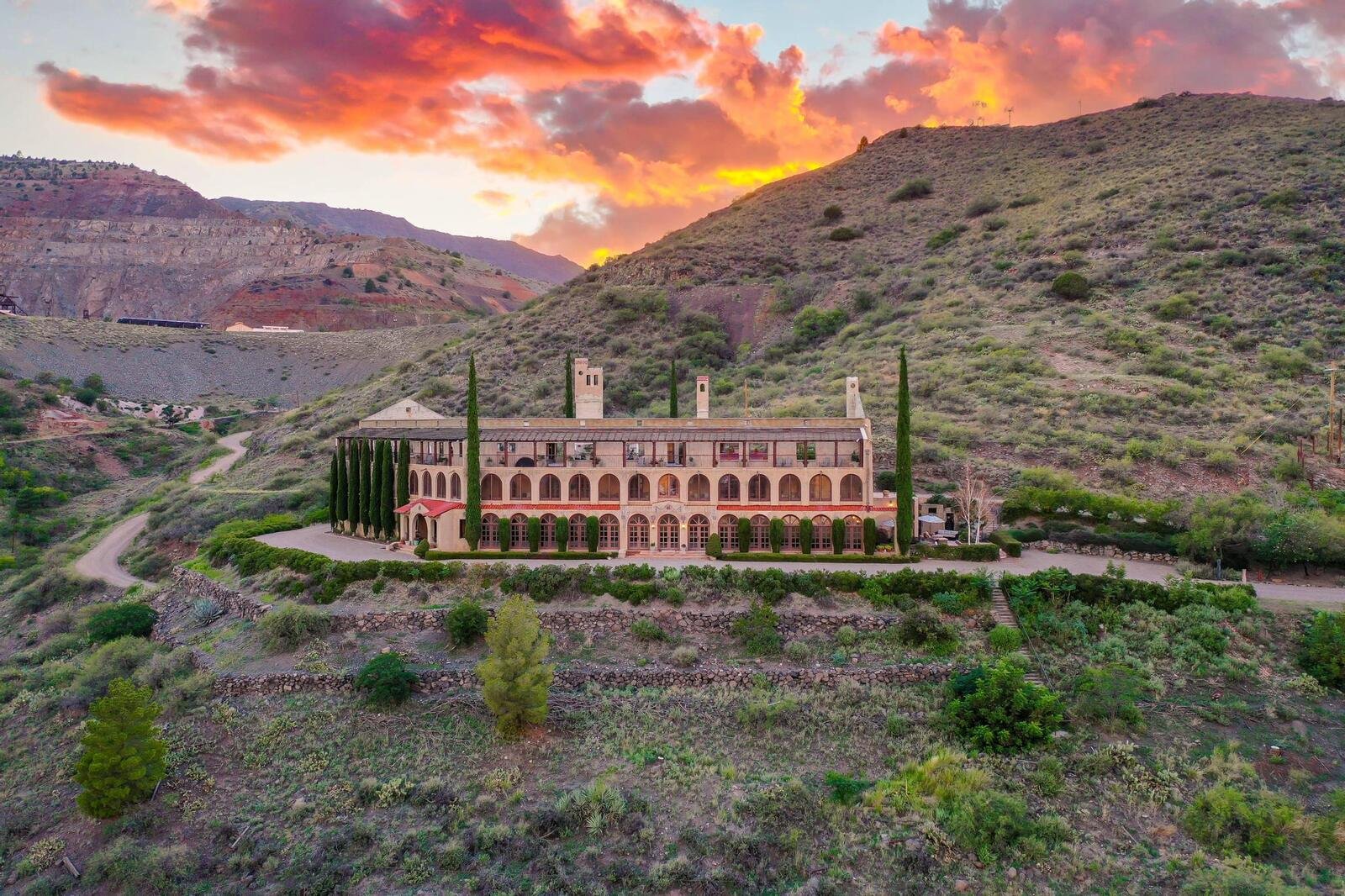
Calling yourself luxury isn’t a strategy
A lot of venues put “luxury” on the homepage and leave it there. The photos look fine. The copy says elegant, exclusive, unforgettable. And somehow the inquiries still skew toward people shopping on price.
That’s because luxury isn’t a label you slap on. It’s a filter. The couples and planners who book higher-end spaces are looking for proof that the experience matches the investment. If your marketing could belong to any nice venue in your region, they have no reason to pick yours.
Start with a simple question: who is this venue actually for? Guest count range, style, event types you want more of, and the kind of planning process your team is built to deliver. Say that clearly. Vague promises of “premium” help nobody.
Sell the feeling, not the amenity list
Capacity, AV, parking, and catering options matter. They also sound identical to every competitor’s bullet list. High-intent clients book the picture in their head of how the day will feel.
Lead with the moments only your space can give. The walk-in that makes people stop talking. The ceremony spot that photographs a certain way. The way guests move through the property from welcome drinks to last dance. If overnight stays or a multi-day flow are part of what you offer, put that front and center the way you’d sell a weekend, not a room rental.
When someone finishes your website or your first follow-up email, they should be able to tell a friend what makes your venue different in one sentence. If they can’t, your marketing is still describing square footage.
Attract the right inquiries on purpose
More leads aren’t always better. For a luxury venue, unqualified tours waste your team’s time and water down how your brand feels.
Make it easy for the right people to self-select. Be honest about starting investment ranges where you can. Ask a few thoughtful questions on the inquiry form: guest count, date window, event type, and what they’re hoping the day feels like. You’re not being difficult. You’re being clear.
On paid search and social, target the language people actually use when they’re ready for a premium space — luxury event venue, estate wedding venue, private estate for events — and exclude the bargain-hunting phrasing that only creates noise. Your goal isn’t the cheapest cost per lead. It’s conversations with people who can actually book.
Your visuals have to match the price point
You can’t sell a high-touch experience with blurry phone photos and empty-room slideshows. Editorial-quality photography and short video of real events do more for trust than another paragraph about amenities.
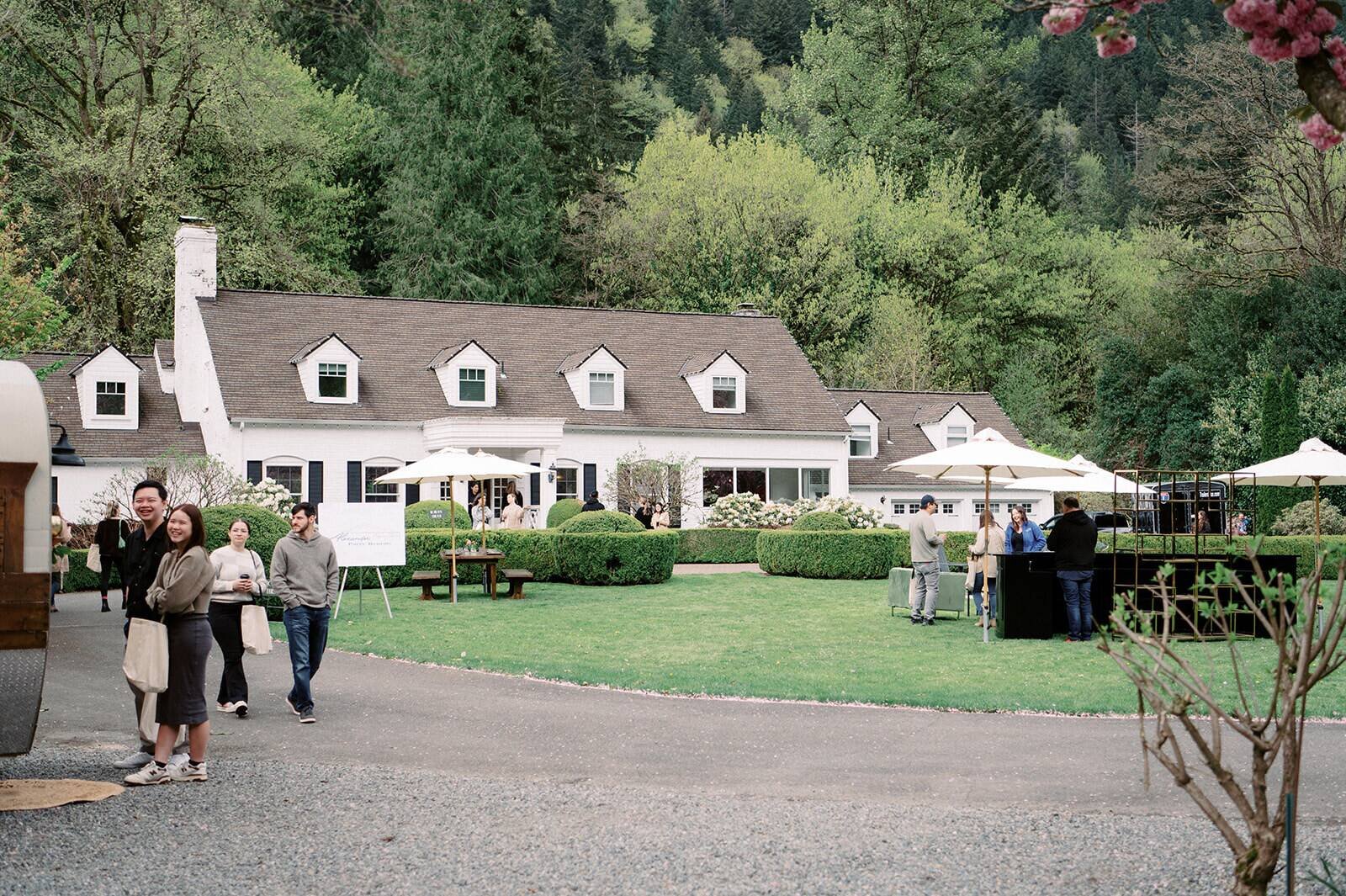
Show the space in use. Styled setups, guest energy, details your past clients rave about. Walkthroughs from your team talking about the venue still outperform polished but empty galleries, because people buy confidence as much as beauty.
Keep the same standard on social, listings, and ads. If the ad looks premium and the landing page looks generic, you lose them in the gap.
Follow-up should feel like white-glove service
Luxury clients expect a concierge-level response, not a template PDF and “let us know if you have questions.”
Respond fast. Make the first reply personal. Send a mix of useful detail and proof — real event photos, a short note about how a day typically flows, clear next steps. Keep the ask small: a quick call to check dates and answer questions, not a hard close on the first touch.
If someone goes another direction, close the loop politely and ask what mattered most. Timing, budget, vibe, something else. That feedback tells you whether your story is landing or whether you need to tighten how you tell it.
Where paid ads fit for a luxury venue
Organic content and SEO build trust over time. Ads help you show up when the right people are already looking.
Use Google for high-intent searches tied to your city or destination feeder markets. Use Meta to show the experience — video, carousels, real events — to people who match your ideal guest profile. Always send them to a page that continues the same story, not a generic homepage.
Track inquiries, tours, and booked events, not just clicks. If a campaign brings volume but not fit, tighten the creative and the audience before you spend more.
Where this leaves you
Luxury event venue marketing works when everything points at the same idea: the experience only your space can give, shown to the people who want that experience, followed up in a way that feels as considered as the property itself.
If your current marketing still reads like a spec sheet with nicer adjectives, start there. Clarify who you’re for, rebuild the story around the feeling of the day, and make every touchpoint match the standard you promise on-site.
That’s the work we do at Tulen for wedding and event venues. Content, campaigns, follow-up, and booking tracking built around the experience you actually sell. If you want help tightening your luxury event venue marketing so the right people inquire and convert, book a strategy call below.