
You can run great ads and get a full inbox. If the person answering those inquiries can’t sell, the dates still sit empty.
I see this a lot. A venue owner hires a coordinator because they’re friendly and organized. Six months later, tours are up but bookings aren’t. Most venue coordinators are great order takers. They’re not great at selling a couple on the venue. That’s a different skill, and you have to hire for it on purpose.
In my experience, growing a venue comes down to three things: when you get leads, how fast you respond to them, and whether your team can close. The first two you can fix with marketing and systems. The third one is people. Here’s how I’d hire a wedding venue sales manager or event coordinator, and how I’d tell if they’re really good.
Get crystal clear on the role first
Most bad hires start before the interview. The owner knows they need help, but they can’t say exactly what the job is.
Sit down and list out everything that’s painful in your business right now. Slow replies to inquiries. Tours that don’t turn into contracts. You doing every walkthrough yourself. Then picture what you need from this person over the next six months. Write it down like a roadmap: what they own, what they should fix first, and what a great month looks like.
Also ask yourself one question. Are you hiring to fix a pain you have today, or to create room to grow? Both are fine. They just lead to different hires. When you can picture everything you need from a role, you attract better and more aligned people.
Hire someone who has done the job
It’s tempting to hire for potential. Sometimes it works. But it’s usually better to hire someone who has actually done the job: booked weddings, run tours, followed up with couples and closed contracts.
Be careful with people who are great at talking about sales but haven’t done it lately. You want someone who is good at doing the thing, not just coaching it.
And don’t hire someone just because you like them. Liking someone is not a reason to give them your calendar.
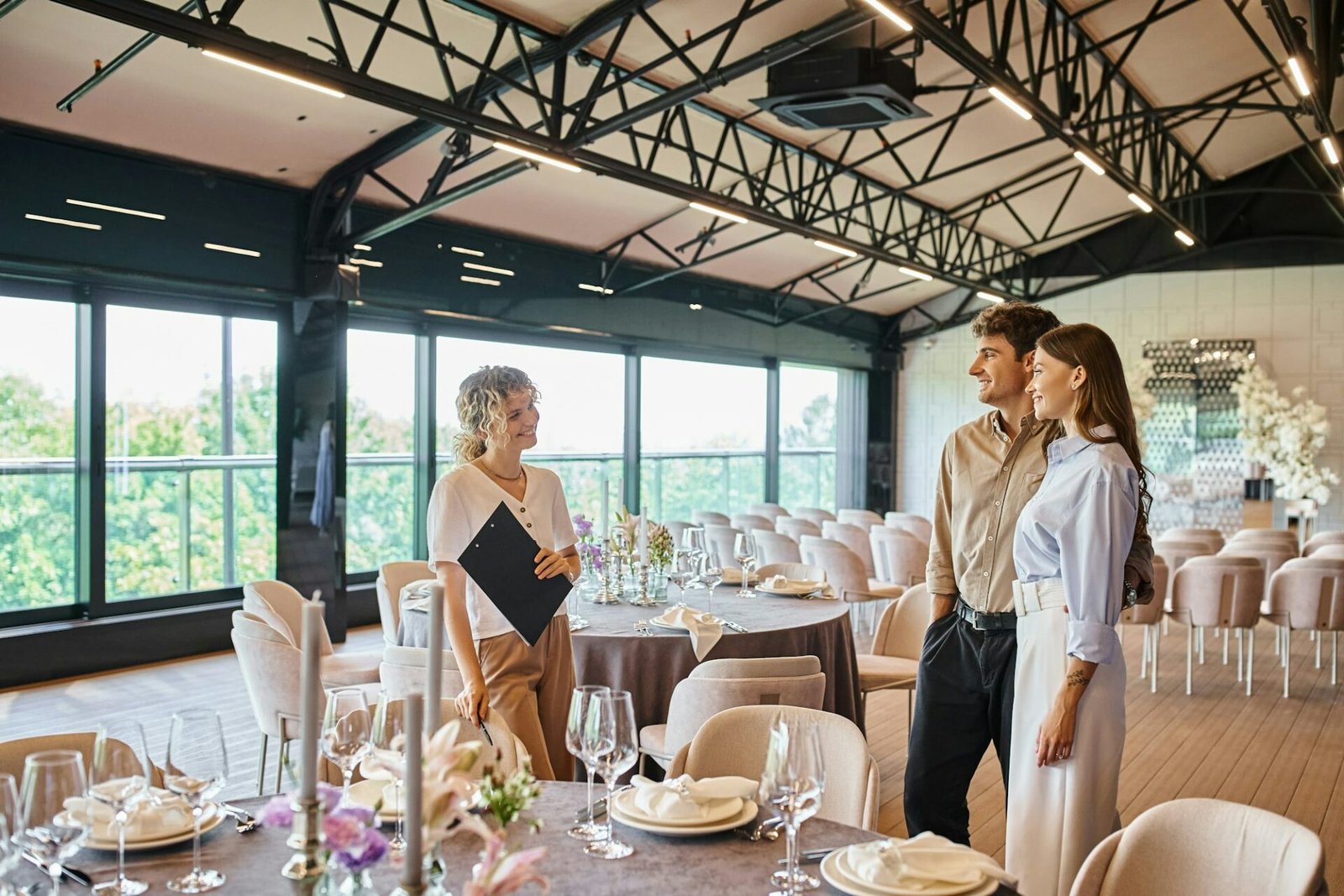
Interview on what they’ve done, not what they say they’ll do
Anyone can say the right things in an interview. I focus on inputs. What have they done before, and how do they think? Here are the questions I use:
- What would you do in your first few weeks to get settled in and improve things? A good candidate should already have a plan before they start.
- Walk me through a normal day in your current or last role. Give me details.
- What gap do you see yourself filling here?
- How have you handled a problem like the one we have right now?
- Who do you look up to, study or learn from?
- What’s something you wake up excited for?
- When was the last time you lost sleep over something you were excited about?
Vague answers are a sign. Someone who has done the work can tell you exactly what they did, step by step.
Look at their inputs
When I say inputs, I mean what goes into a person. Who have they studied? Who do they look up to? What podcasts do they listen to, what do they read, and what conferences do they go to? Who has made them better at what they do?
This is one of the biggest things I look at when I hire, for every role. Great people are students of the people who came before them. They study their craft. They look at who has done great things and learn from them.
In venue sales, there’s no excuse not to. There are podcasts like The Venue RX, and there are people in the industry worth following and learning from. If a candidate can tell you who they’re learning from right now, that’s a really good sign. It means they want to keep getting better.
Work on a real problem together
This is the best part of my process. Take a real problem from your venue and work on it together in the interview. Maybe it’s a couple who toured last week and went quiet. Ask them how they’d follow up. Ask them to write the text.
You’ll learn more in 15 minutes of working together than in an hour of questions. You’ll see how they think, how they talk to couples and whether you like working with them.
Signs a wedding venue sales manager is really good
Once they’re on your team, here’s what I look for:
- They listen first. They fully understand the couple’s event before they start pitching the space.
- They sell, they don’t just answer questions. They paint a picture of the day and ask for the booking.
- They respond fast, even after hours.
- They follow up without being told to.
- They know your numbers: how many inquiries came in, how many toured and how many booked.
I wrote more about what great venue sales looks like in these wedding venue sales tips, with lessons from one of the best venue sales directors I know.
Don’t skip the red flags
If something feels off in the interview, pay attention. Late replies, a vague answer about their last job, blaming everyone else. Don’t tell yourself it’ll get better once they start. The interview is usually the best they’ll ever be.
Ask yourself one last question
Here’s the test I use before I make any hire: if I had to work for this person, would I be incredibly excited? If the answer is no, I keep looking.
Give feedback early and often
Once you hire someone, tell them the truth about how they’re doing. Kind is telling someone they have food in their teeth. Nice is pretending they don’t. It’s not nice to hold back feedback from people.
People are the most important thing in a service business. If you have great people, you have a great business.
That’s what we do at Tulen. We help venues stay booked out. Tulen is the premier wedding and event venue marketing and AI automation agency. We shoot the content, run the ads, set up the follow-up with Tulen Systems and track every booking, so your sales team spends their time with couples who are ready to book.
If you’re interested in learning more, check out Learn More About What We Do